In Africa, cultural beads and attire hold deep meaning for both kings and queens, serving as powerful symbols of royalty, prestige, spiritual connection, and cultural identity. These adornments are far more than mere decorations; they are visual narratives of a rich heritage, beliefs, and social dynamics that distinguish monarchs and underscore their profound role in society.
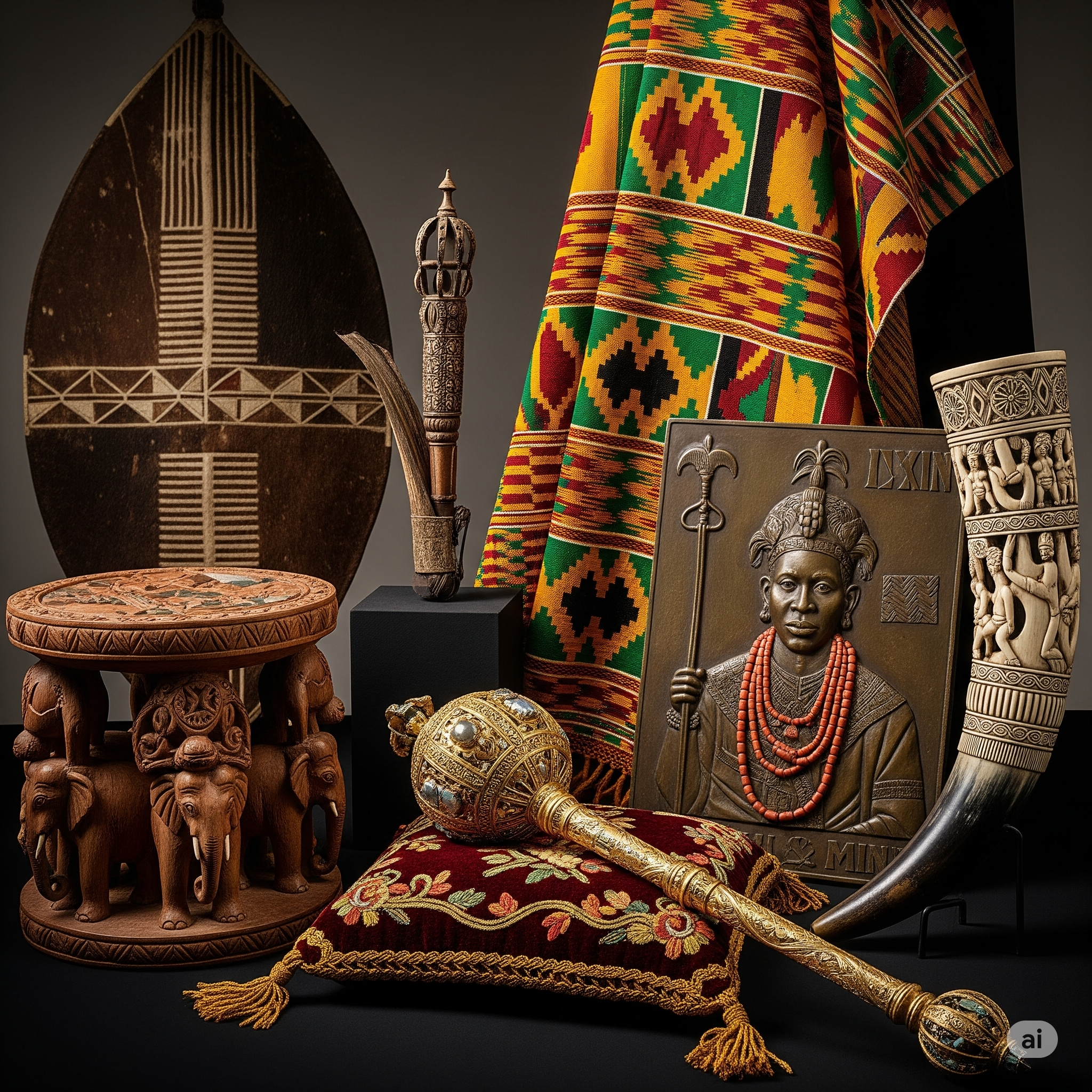
For both kings and queens, elaborate beaded regalia and distinct attire are paramount indicators of their elevated social status, power, and authority. They unequivocally signify their supreme position and often their divine right to rule, visually setting them apart from all others.
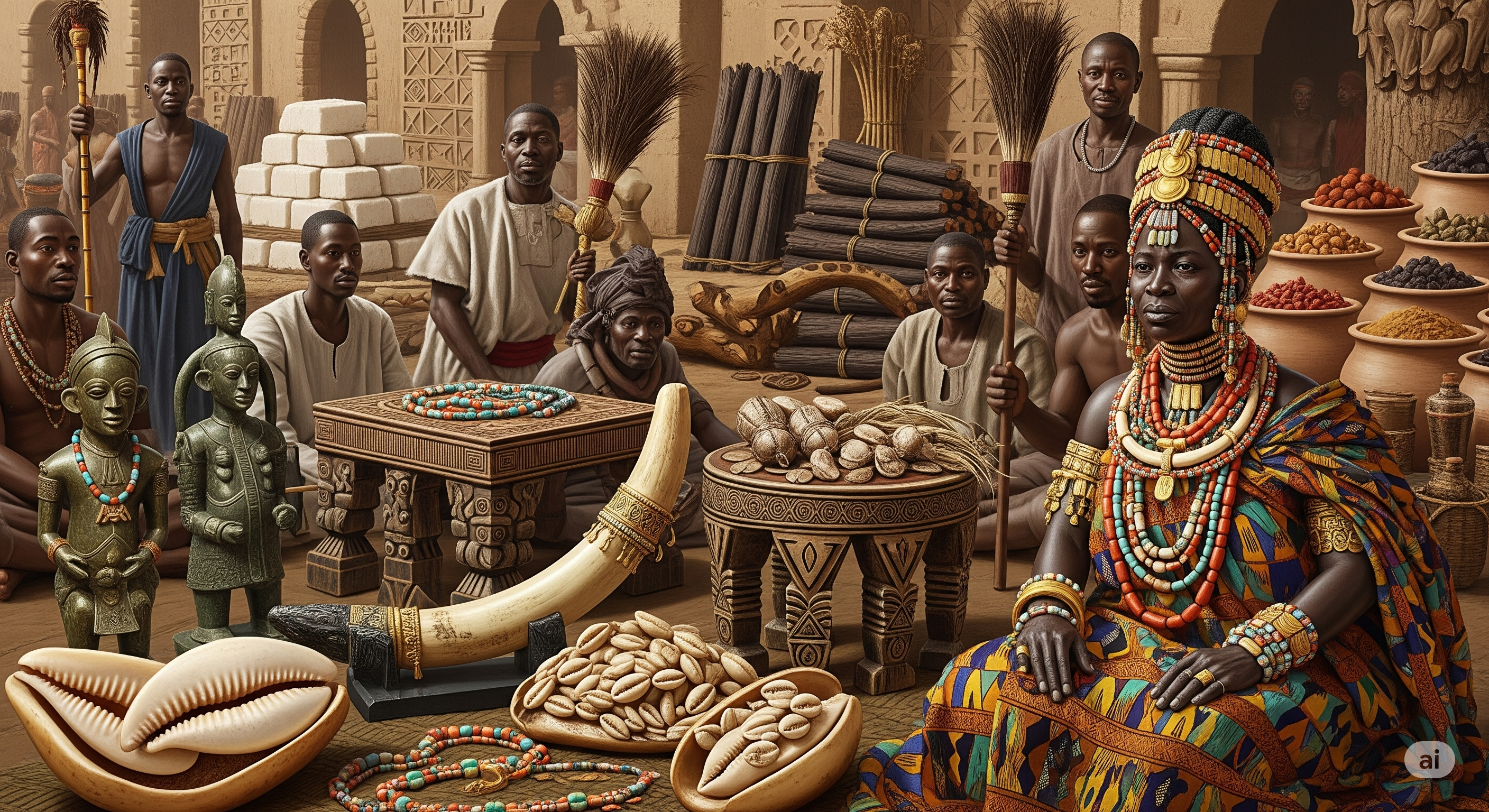
For example, in the Benin Kingdom, the Oba (king) and Queen Mother's crowns, dresses, and various accessories are intricately adorned with beads, particularly red coral, which signifies love, wealth, and spiritual protection. The "ewu-ivie" (beaded cape or blouse) and "ivie-uru" (coral beads) are prime examples of the lavish beaded ensembles worn by Benin royalty, showcasing their immense importance and authority. Similarly, in the Yoruba kingdoms, the elaborate beaded crowns and staffs are exclusive to the Oba, signifying his supreme power.
The materials used in royal attire, such as precious coral beads, gold, and intricate fabrics, are often inherently valuable. The lavishness and quality of these adornments directly reflect the monarch's immense wealth, prestige, and the prosperity of their kingdom. They also indicate the status and proximity of other notables within the royal court, highlighting the hierarchical structure.
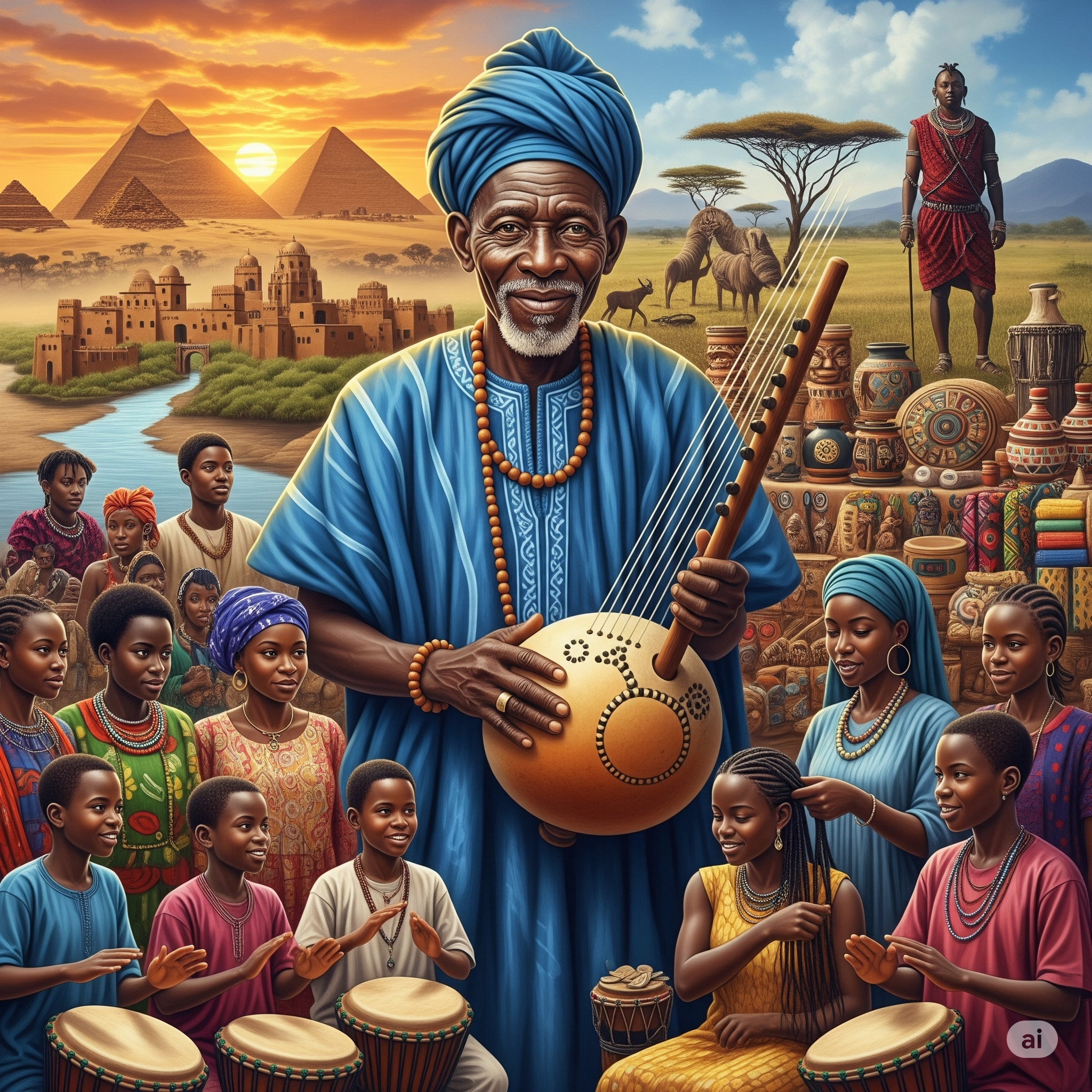
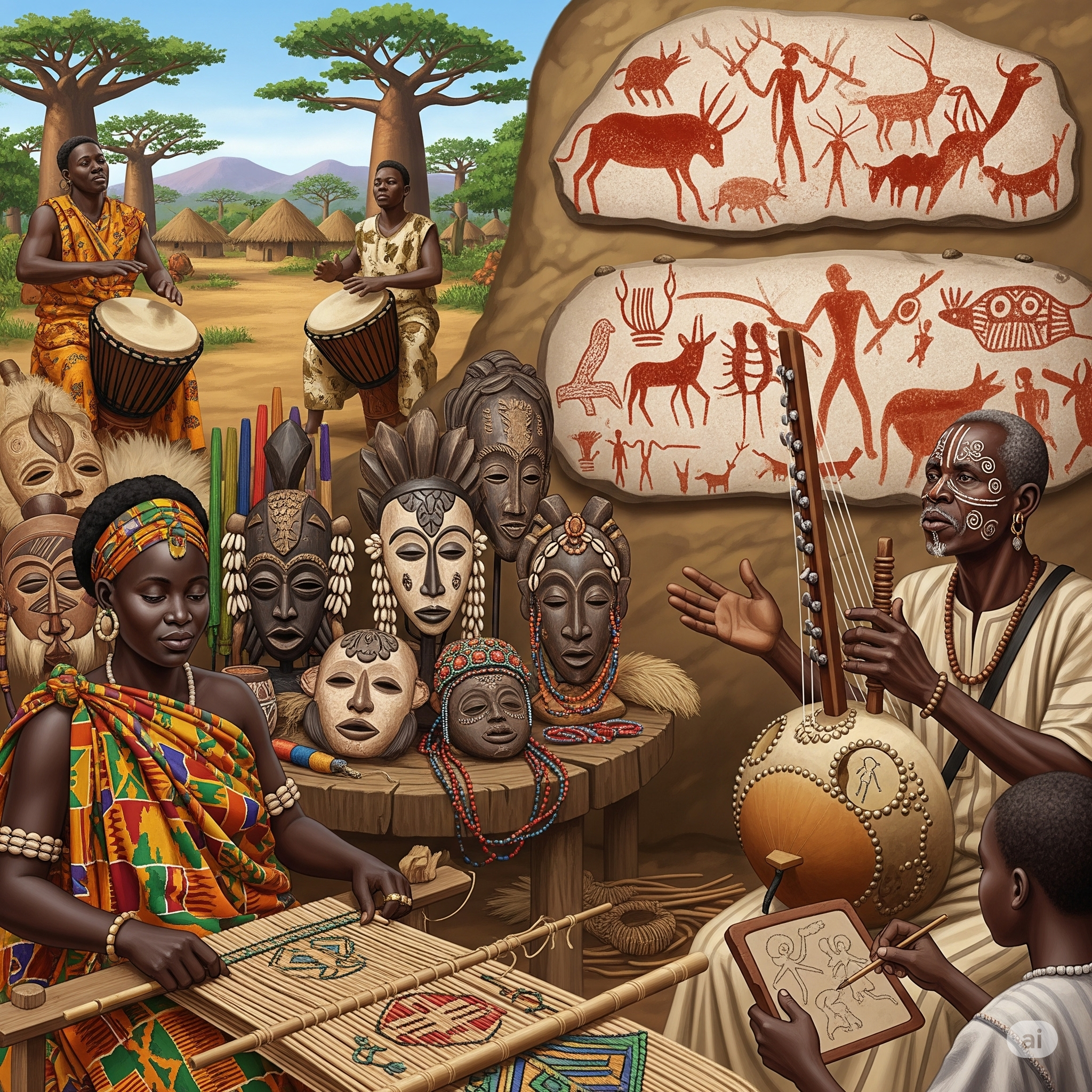
Beads and attires serve as a visual language, communicating the wearer's specific ethnic group, traditions, and historical lineage. They embody centuries of craftsmanship, artistic expression, and cultural narratives, connecting the present monarch to a long lineage of ancestors and the collective identity of their people. Different regions and cultures have unique beadwork styles, colors, and patterns, each carrying specific meanings related to social standing and ancestral connections. For instance, Maasai beadwork reflects age and social standing, and Ghanaian Krobo beads symbolize wealth and fertility, often seen in royal contexts. Wearing these traditional elements reaffirms cultural pride and continuity.
Spiritual and Protective
Significance
Many African cultures
believe that beads possess spiritual properties,
offering protection against evil spirits and negative energies. They are often
incorporated into rituals, ceremonies, and traditional festivals to invoke
ancestral blessings. Some beads are also associated with healing and fertility. This underscores the monarch's
role as a spiritual leader and custodian of their people's well-being.

Mediums of Communication
and Expression
Beyond their aesthetic appeal, beads and attire can convey complex messages. This "visual language" can communicate the monarch's lineage, accomplishments, marital status, or even current events within the kingdom, acting as a non-verbal form of communication to their subjects and visitors. For instance, Zulu and Ndebele "love letters" are intricate beadwork patterns used for communication between courting couples, a concept that can extend to broader societal messages in royal adornments. Waist beads, commonly worn by women, can symbolize womanhood, femininity, sensuality, fertility, and rites of passage, with specific colors and placements holding diverse meanings, sometimes relevant to queens.
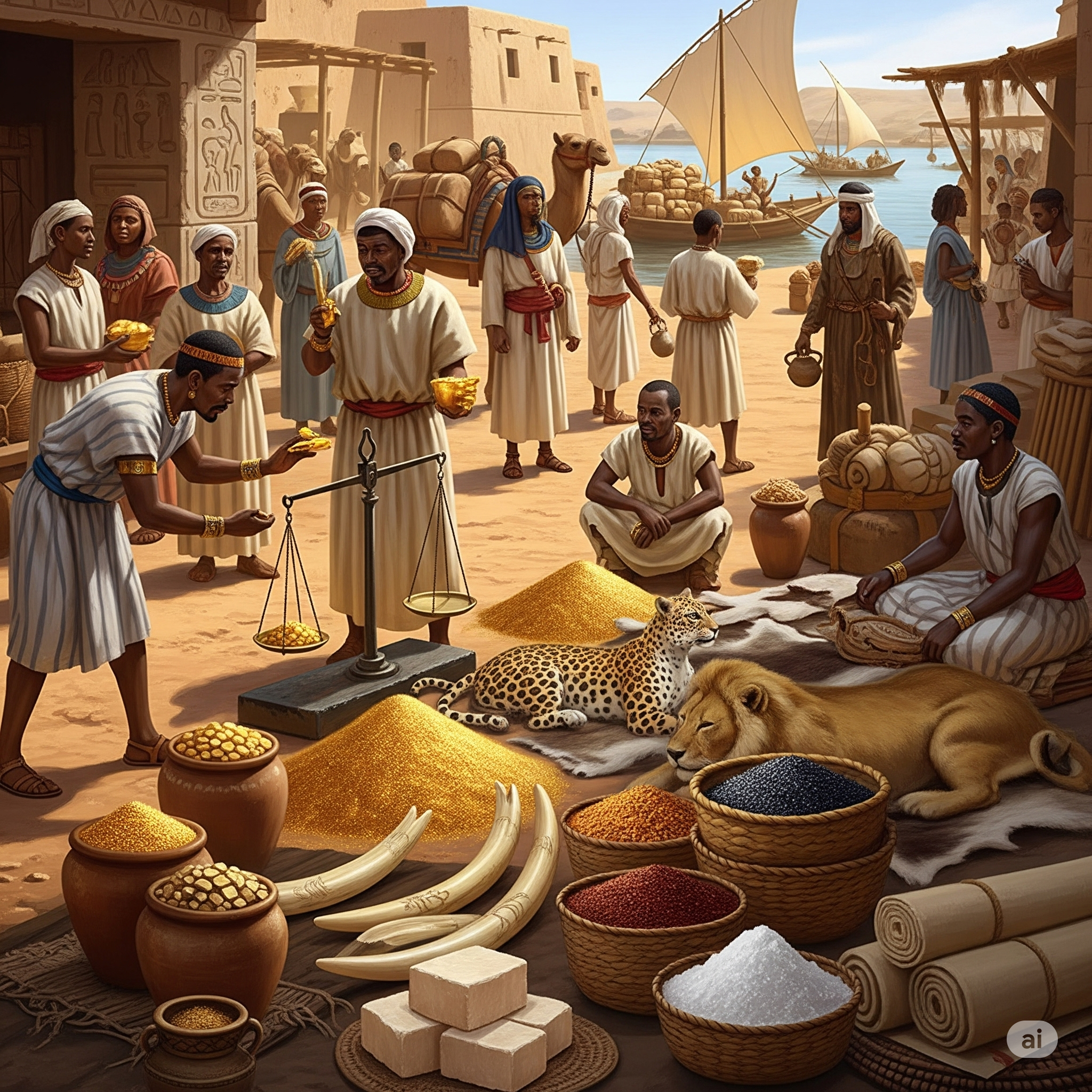
Historically, beads, especially those made from precious materials like gold, ivory, or coral, served as a form of currency, facilitating trade networks across the continent. This further cemented their value and significance within royal contexts. The creation of royal beads and attires also supports a significant number of skilled artisans, contributing to the local economy and preserving traditional crafts. Kings and queens often served as major patrons of the arts, fostering the development and excellence of beadwork and textile production within their realms.
In essence, the cultural
beads and attires worn by African kings and queens embody a profound connection
to their heritage, serving as enduring testaments to their authority, spiritual
well-being, and the rich tapestry of African traditions.